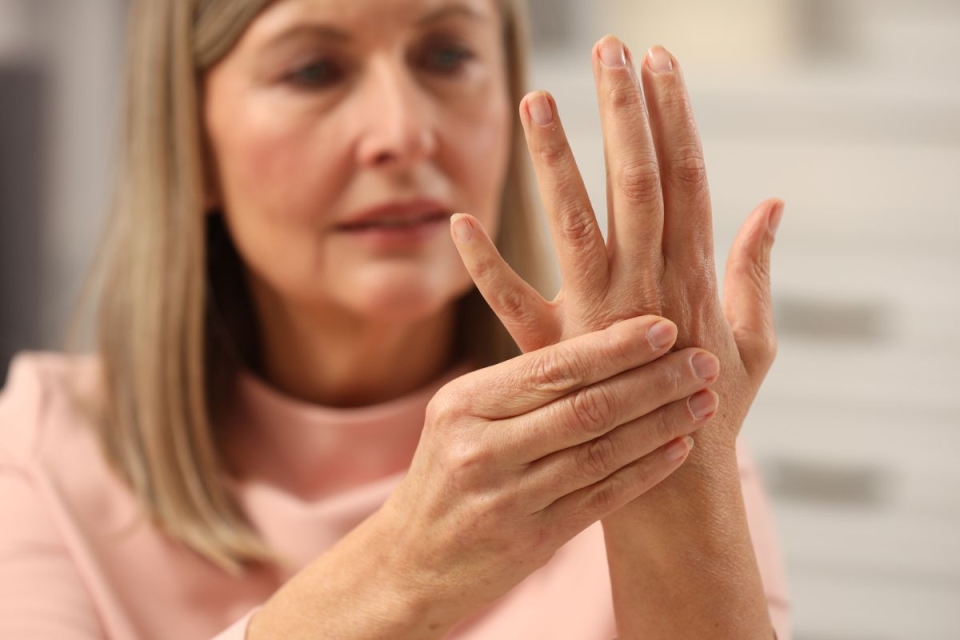
Arthritis doesn’t just affect your joints — it changes how you live your life. Knees ache. Hips stiffen. Movement becomes something you plan around instead of enjoy.
For years, the advice has been to lose weight and ease the strain. Now, GLP-1s are changing the conversation.
How the math of weight adds up
As you gain pounds, the pressure on your joints increases. But it's not always a simple one-to-one relationship.
“Weight loss relieves pressure on the weight-bearing joints,” says Brandie Burckhard, nurse practitioner and obesity medicine specialist at HonorHealth General Surgery - Tempe. “Losing one pound of weight removes roughly four pounds of pressure on the knee joint, improving pain and overall function.”

That multiplier effect means even modest weight loss can bring noticeable relief, especially for people living with osteoarthritis. “Losing as little as 10 pounds can decrease the progression of arthritis by 50%,” says Brandie, pointing to recent research.
For many patients, that kind of change can translate to less daily pain, improved range of motion and more confidence moving through everyday life.
Weight loss drugs: a joint connection
GLP‑1s work by mimicking a hormone your body already makes. They help your body manage blood sugar, slow digestion and regulate that “I’m full” feeling.
Researchers are also examining their potential effect on inflammation, a major driver of joint pain and arthritis progression. “There is data showing GLP-1s lower inflammatory markers that drive obesity and joint inflammation,” Brandie explains.
Early studies, including research out of Europe and a study published in the New England Journal of Medicine, have explored possible cartilage changes in the hip joints or knees of people taking semaglutide. Brandie notes that the case isn’t closed yet and “we still need more studies on the exact mechanisms and long-term effects on joint progression.”
Moving the needle for arthritis
While research is still evolving, the connection between joint health and weight loss medications is becoming harder to overlook.
Though GLP‑1s show promise, they’re not a standalone solution. Even as treatment options expand, the basics of joint and weight health remain the same.
“Weight loss begins with diet and lifestyle changes,” says Brandie. “You cannot out-exercise a bad diet.”
She suggests the “Double P” eating plan, which focuses on protein and produce. Also, strength training several times a week to build and maintain muscle. These long-term changes can go a long way toward reducing strain on your joints.
A shift worth watching
GLP‑1 medications aren’t a cure for arthritis. But for many people, they represent progress toward less inflammation and easier movement.
When combined with healthy habits, they can help support your joints over time, making the future feel a little more mobile — and a lot more hopeful.