Remember the food pyramid you grew up with? It’s officially turned upside down.
The Dietary Guidelines for Americans 2025–2030 introduced a bold new pyramid that spotlights whole foods and pushes ultra-processed ones off your plate.
It’s a shift many health experts welcome — especially its emphasis on quality over convenience, says Allison Steele, DO, obesity medicine specialist at HonorHealth. But not all aspects of the updated pyramid meet with her approval.

Flipping the script on healthy food
“The medical community has long recommended a diet rich in nutrient-dense, whole foods while minimizing the use of ultra-processed foods and added sugars,” says Dr. Steele.
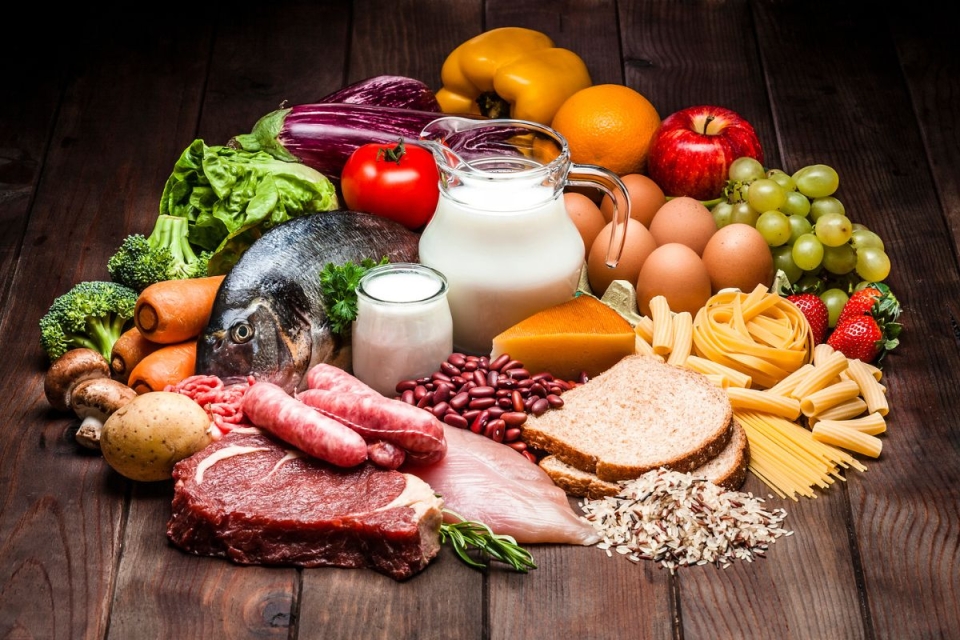
The new Dietary Guidelines support this idea by encouraging Americans to eat more plant and animal foods found in nature.
🥩 Meat, fish and dairy are at the top of the inverted pyramid alongside veggies such as broccoli, green beans, and starchier options like peas and potatoes. These are suggested as the largest portion of food.
🍓 Fruits, such as oranges, berries and bananas, are towards the middle, alongside what the pyramid labels as “healthy” fats: think olive oil, nuts, avocados and even butter, in moderation.
🍞 Whole grains, like bread and oats, are at the bottom, indicating you should eat a much smaller amount of these foods.
🥫 There are no distinctions made between fresh, canned or frozen ingredients.
Even more important is the pyramid’s emphasis on real food, says Dr. Steele. “Whole foods provide you with the nutrients your body needs to function properly. They can help prevent chronic disease,” she explains. “Processed foods, on the other hand, are calorie dense but nutrient poor and often lead to overeating because they don’t promote fullness.”
Where the pyramid falls short
If you’re struggling with your weight or your health, some of the high-calorie foods in the new guidelines could spell trouble. Dr. Steele notes that changing your diet alone isn’t a quick fix for obesity. Plus, eating meals packed with full-fat dairy and red meat may make it harder to keep your saturated fat intake in line with the recommendation of 10% or less of your daily calories.
“Comprehensive treatment for obesity and overweight centers around diet, regular physical activity, behavioral modification, and medication or surgery, when necessary,” she says. In other words, the pyramid is a guide, not a guarantee of good health. That’s why at HonorHealth Bariatric Center, doctors take a whole-body approach to weight management.
Whole foods for the win
Wondering how to apply the new pyramid to everyday meals? Dr. Steele offers a simple rule of thumb: “Think from a farm, not a factory.”
The new food pyramid is a strong step toward whole-food eating, but the smartest approach is one that’s tailored just for you. Use the guidelines as a foundation, not a formula, and partner with your doctor to build a plan that works for you.