When a seemingly healthy 45-year-old Phoenix SWAT officer suffered a cardiac arrest and heart attack earlier this year, it rattled the officers who stood by him during his hospitalization.
It also left them with a big question that HonorHealth cardiologists Chintan Patel, MD, and Rebecca Chester, MD, are helping them to answer.


“One of the lieutenants came up to me and said, ‘We’re all really shaken. We just watched our very healthy friend go through all of this. Are we at risk, too?’” Dr. Chester recalled. The physicians discussed the situation and offered to screen the whole SWAT team.
About 50 interested Phoenix officers signed up for an individualized evaluation where their medical history, family history and personal risk factors will be reviewed.
For Dr. Patel, this effort is an important reminder that being in good shape doesn't necessarily tell the whole story about heart health. “We tend to look at someone who is fit, active and exercises regularly and assume they’re healthy,” he said. “Lifestyle is important, but genetics matters, too. That’s part of what we’re trying to identify.”
Cardiovascular screenings underscore the value of knowing your risk before a crisis brings it into focus.
“Heart disease takes decades to develop,” Dr. Chester said. “If we start treating risk factors earlier, when you’re in your 30s, 40s or 50s, we have the opportunity to potentially prevent you from ever developing that problem or significantly delay its onset.”
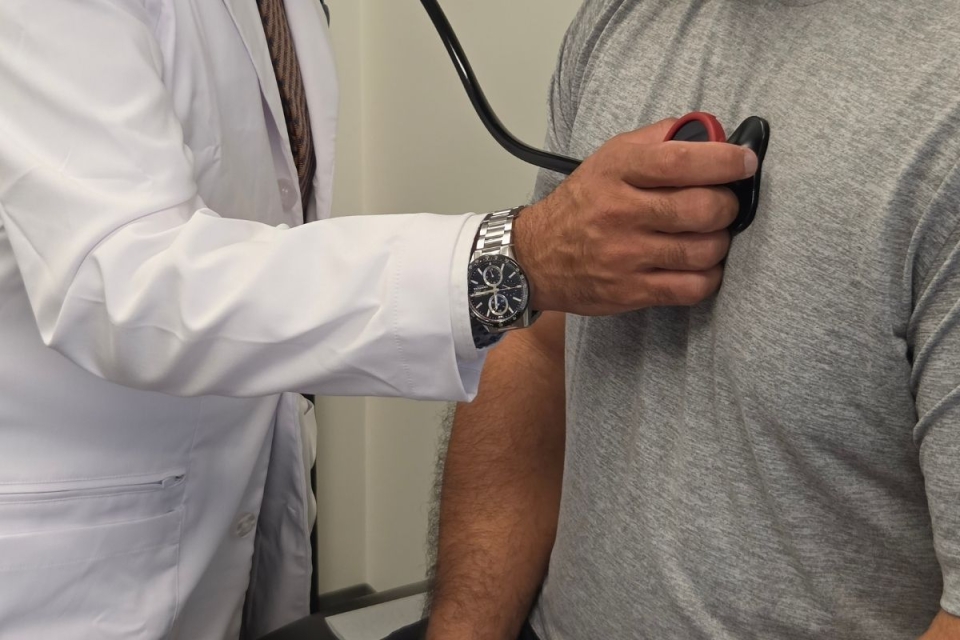
For the Phoenix SWAT team, one officer’s unexpected cardiac event prompted a simple but important next step: take a closer look.