We all know it’s important to protect our skin from the sun, but it’s easy to forget sometimes or to not make it a priority. In hot and sunny Arizona, it’s extra important to take steps to protect your skin every day.
Adam Luber, MD, a board-certified dermatologist and independent member of the HonorHealth Medical Staff, shares important sun safety tips, as well as what you can do if you spot something that looks suspicious, in this Q&A.

Q: What should I be doing to protect my skin?
A: Sunscreen is one of the most important methods of sun protection, but did you know there are different kinds of sunscreen? Physical sunscreens (also called mineral sunscreens) create a physical barrier on your skin so that ultraviolet (UV) radiation is reflected. They are made with zinc oxide or titanium dioxide. Because these ingredients will not absorb through the skin, they can be more difficult to rub in completely (leaving a white residue). Physical sunscreens are the safest sunscreens and are great if you have sensitive skin. Chemical sunscreens work by absorbing UV radiation before the rays can damage your skin. They tend to be easier to apply on the skin, but some systemic absorption has been identified.

Q: Which type of sunscreen is best?
A: Dermatologists tend to prefer physical sunscreens, which are the safest with no absorption. It’s important to buy sunscreen that is labeled with “broad spectrum” and SPF greater than 30. Consistent use and reapplication are the most important… Yes, even if it’s cloudy!
Q: Is there anything else I can do to protect my skin from the sun?
A: Besides sunscreen, I recommend avoiding peak hours between 10 a.m. and 4 p.m., when UV radiation is the most intense. Wide-brimmed hats and sun protective clothing (labeled UPF) are particularly helpful during outdoor activities. Regular skin screenings with a board-certified dermatologist are important to monitor your skin and detect suspicious lesions.
Q: Why is it so important to protect my skin from the sun?
A: Skin cancer is serious and potentially deadly. The three most common types of skin cancer are basal cell carcinoma, squamous cell carcinoma and melanoma. Basal and squamous cell carcinomas are the more common types—these tumors are visible (sometimes very subtle) on the top of your skin and are often directly related to sun exposure. Basal cell carcinomas are usually slow-growing, but squamous cell carcinomas can spread and become invasive. On the other hand, melanoma is very serious because it is aggressive, unpredictable and can metastasize. Although melanoma is associated with sun exposure, it can appear on body surfaces that have never been exposed to the sun (like the bottom of your foot).
Q: What should I do if something looks suspicious?
A: Make an appointment with your dermatologist right away to have it examined. The good news is that if skin cancer is caught early, the treatment is typically straight-forward and the prognosis is favorable.
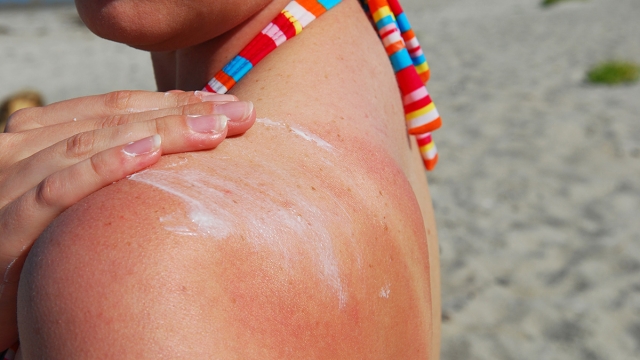
Sunburn be gone
Your sunburn is more than just a summer souvenir — it’s your skin signaling UV damage. Learn how to protect yourself with these expert tips and enjoy the sun safely while keeping your skin healthy.
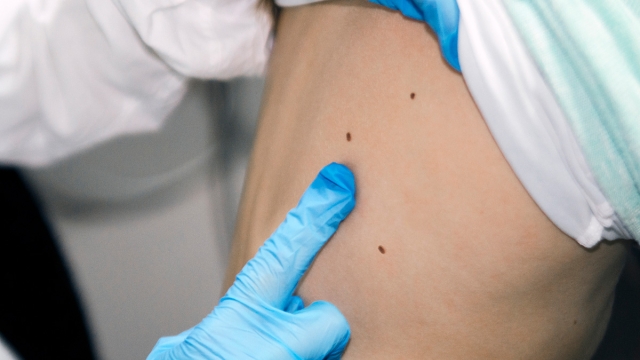
Skin health simplified
Stay ahead of skin issues with a simple annual exam. Regular screenings, daily sunscreen and checking for changes can make a big difference. Get ready to give your skin the care it deserves.
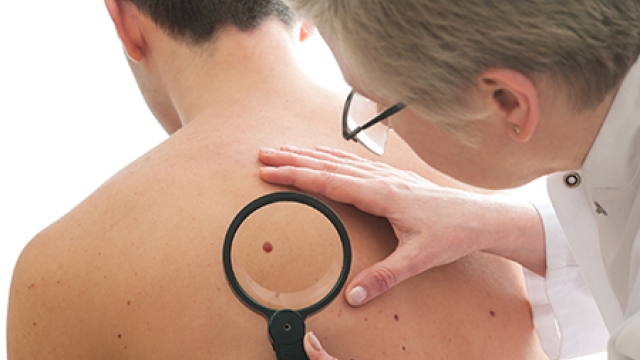
Essential skin cancer truths
Your skin is your canvas — keep it healthy and glowing with these eight key tips from our expert dermatologists. Protect it from damage, care for it daily and it will thank you.