You know your body best. That’s why at HonorHealth, women’s wellness starts with listening. We take your concerns seriously, look at the full picture and partner with you to make informed decisions about your health.
From preventive screenings to ongoing care, your needs shift with every stage of life. Our primary care and women’s health teams understand and support these changes, so every visit feels comfortable and never rushed.
Here are the check-ups every woman should have on her radar.
Well-woman exam
Think of this as a full-body status check, designed to spot issues early and keep you feeling your best.
What it includes:
- General physical exam, including weight and blood pressure
- Basic breast exam
- Pelvic exam, including a Pap smear
- Review of your personal and family health history
- Medication review, refills and updates
- Vaccine review and updates
- Evaluation for additional screenings, such as mammograms, STD tests and colon cancer screening

Pap smears: Spotting signs of trouble
Pap smears help detect cervical cancer. Over 12,000 women in the U.S. are diagnosed with cervical cancer every year, most often caused by an HPV infection. As much as 93% of these cases could be prevented with routine cervical cancer screening and an HPV vaccination.
How often should I get one?
Screening typically starts at age 21.
- Healthy women should have a Pap smear every three years if results are normal.
- HPV testing isn't routine for women under 30, but it may be used to follow up on abnormal results.
- Ages 30-65: Get a Pap smear combined with an HPV test every five years.
“These guidelines apply even if you’ve been vaccinated against HPV,” says Rachel Spieldoch, MD, gynecologist and independent member of the HonorHealth Medical Staff. “But if you’ve had a total hysterectomy, you don’t need a Pap or HPV screening unless you’ve had surgery to treat cervical pre-cancer or cancer.”
Mammograms: Your new breast friends
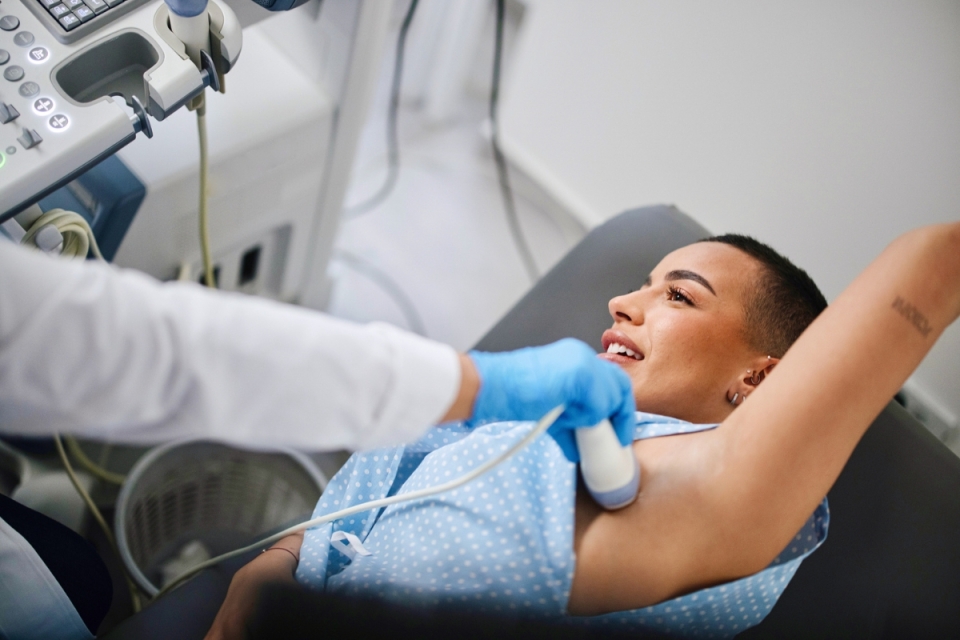
The sooner breast cancer is found, the better the odds of beating it — and a mammogram is one of the best tools for early detection.
The numbers get attention for a reason: Every two minutes, a woman in the U.S. is diagnosed with breast cancer, and about one in eight women will face it in her lifetime.
"Breast cancer is the most common cancer among American women, regardless of race or ethnicity,” says Kimberli S. Cox, MD, breast surgeon at HonorHealth. “Routine wellness exams, including breast checks and mammograms, may help you have a better outcome by treating problems before they spread."
- Starting at age 40, mammograms are recommended every year for women in good health. If you have a family history of breast cancer or other high-risk factors, your provider may recommend screening more often or adding additional tests such as a breast MRI.
- About 40-50% of women have dense breast tissue, which can make it harder to detect breast cancer. Typically, you’ll receive a letter explaining this after a mammogram — check with your primary care provider or OB-GYN for next steps.
- When should you stop getting mammograms? There’s no set age. Most experts recommend continuing if you are in good health and have a life expectancy greater than 4 years.
What other tests do you need?
Depending on your age, risk factors and family history, your doctor may recommend these additional screenings:
- BRCA (breast cancer gene) risk assessment: Consider genetic counseling and testing if you have a family history of breast or ovarian cancer.
- Bone density screening: Women 65 and older, or younger women at high risk, should be checked for osteoporosis.
- STD testing: If you have symptoms or are concerned about developing chlamydia, gonorrhea or syphilis.
- Colonoscopy: Recommended starting at age 45 (and every 10 years after that), but you may need a screening earlier if you have a family history of colorectal cancer.
Care at every stage
Women’s wellness isn't just about checking boxes on your to-do list. It’s about staying healthy through every milestone. Regular screenings give you clarity, confidence and the chance to catch potential issues early, when they are most treatable.
All HonorHealth primary care locations offer well-woman exams, with convenient offices throughout the Valley. Check with your provider for additional screening options.